
Charge your car at home while you sleep.
We fit smart home chargers that start when your overnight rate drops, and can follow your solar panels in the day. A NAPIT registered electrician fits it, usually within a day, then shows you how it works.
- 7kWtypical home charger: around 20 to 30 miles an hour
- 1 dayusual time to fit, test and show you
- NAPITregistered electricians do the wiring
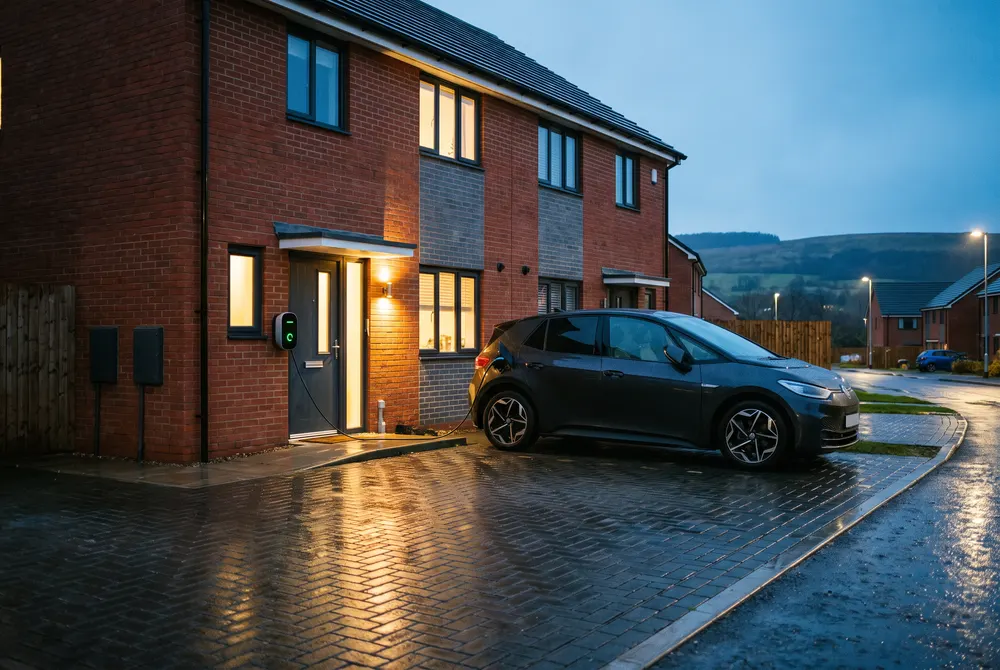
A charger picked for your car and your tariff.
We look at your car, where you park, your fuse board and your tariff, then fit the charger that suits all four.
- Set to the cheap hours. It starts and stops on its own to use your night rate, and you control it from an app. We fit chargers such as Ohme, myenergi zappi and Project EV.
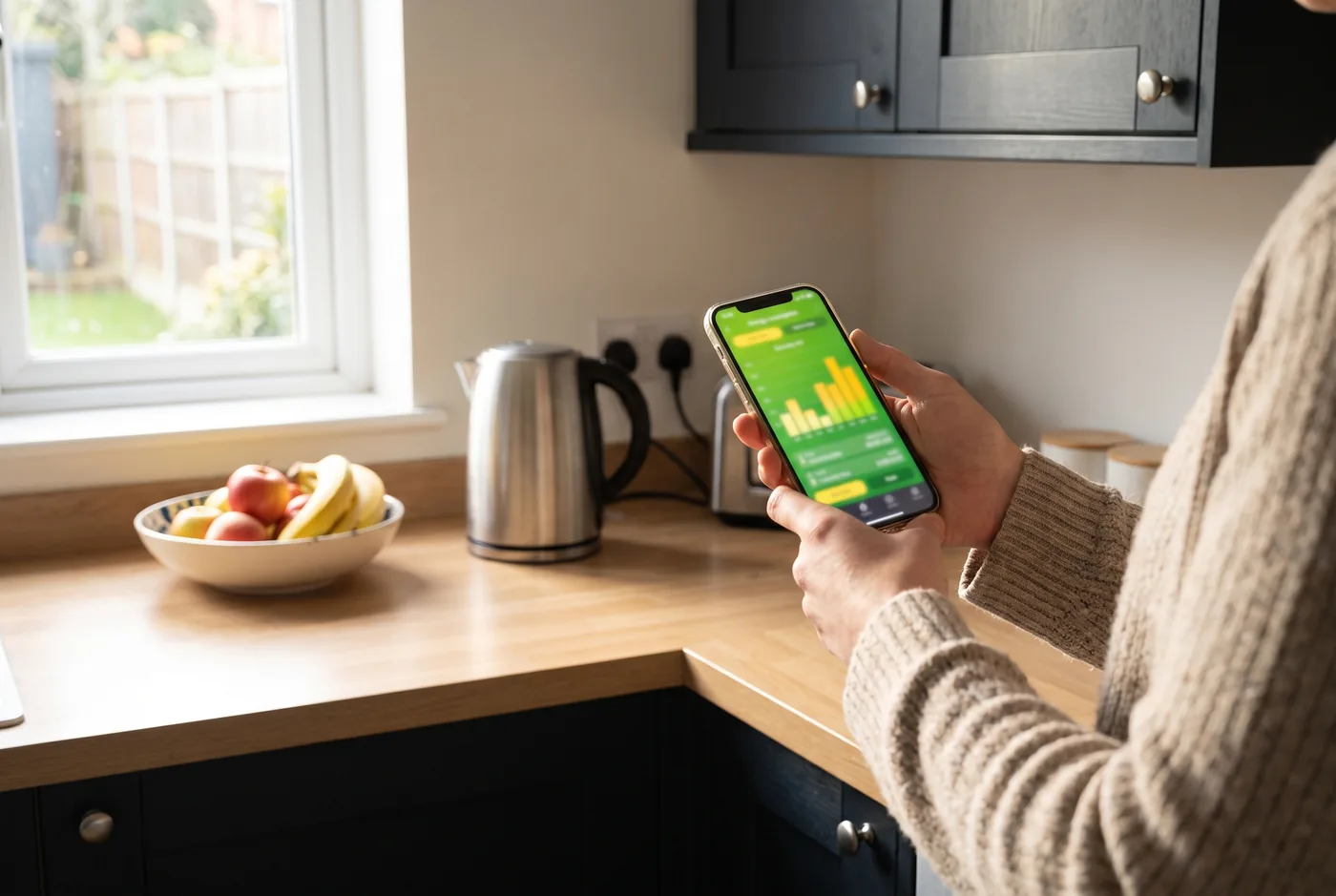
- Solar-ready if you have panels. Some chargers fill the car with spare power from your panels on sunny days.
- Your main fuse protected. Load management slows the charge when the house is drawing a lot of power.
- Tested, shown and certified. We test it, set up the app on your phone and give you an installation certificate.
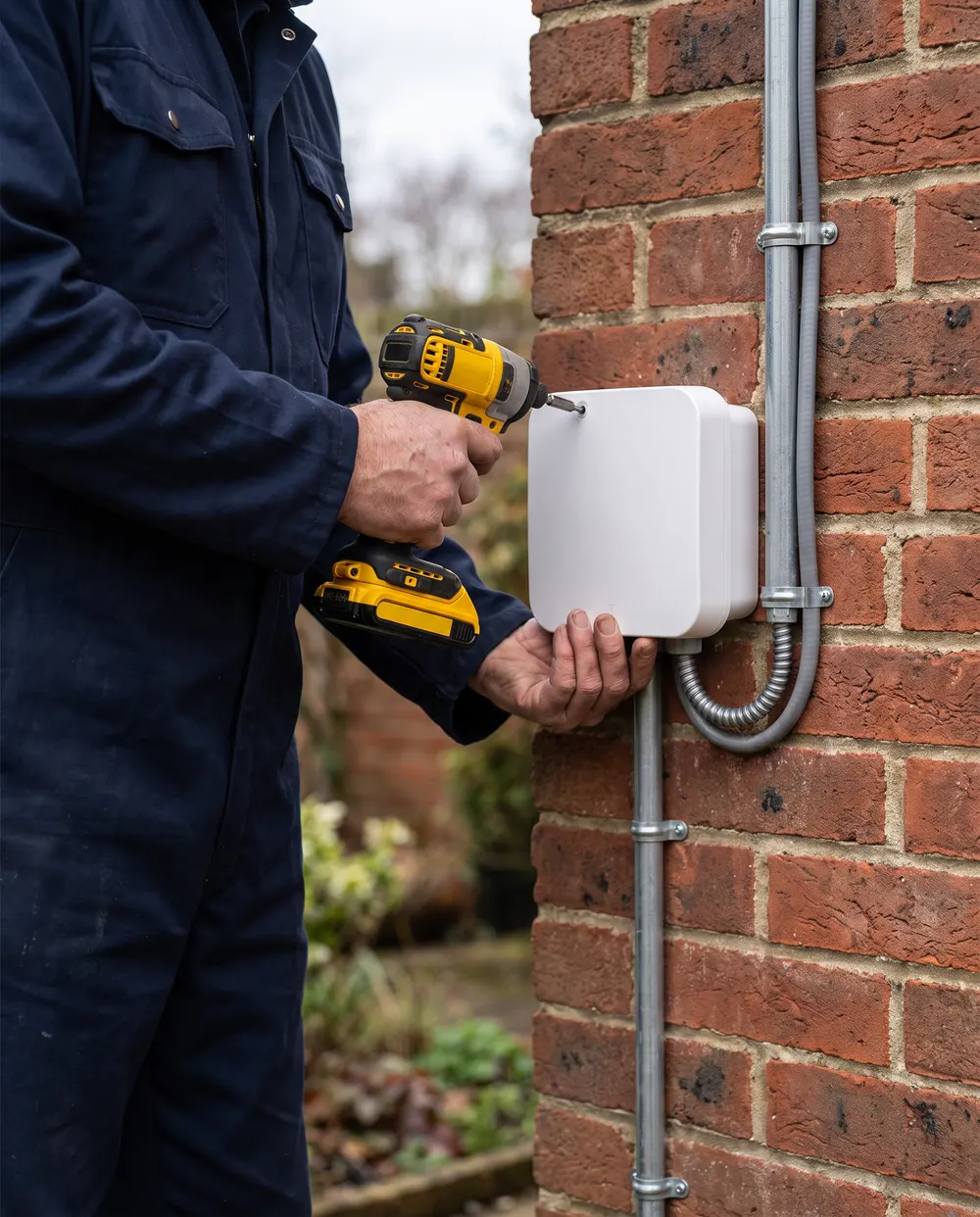
1 dayusual time to fit a home charger
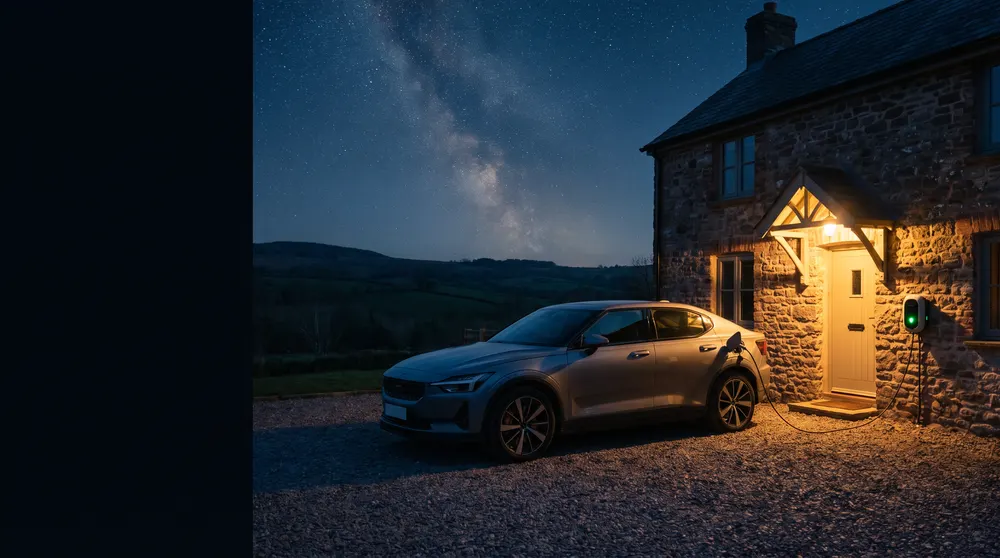
Plug in tonight, full by morning.
Scroll through a night on a smart charger. It waits for the cheap overnight rate, fills the car while you sleep and stops when it is full.
Full and ready for the morning.
100%charged
An example night: a car plugged in at 30% on a tariff with a six-hour cheap window. Tariff times and miles per hour vary by car and supplier.
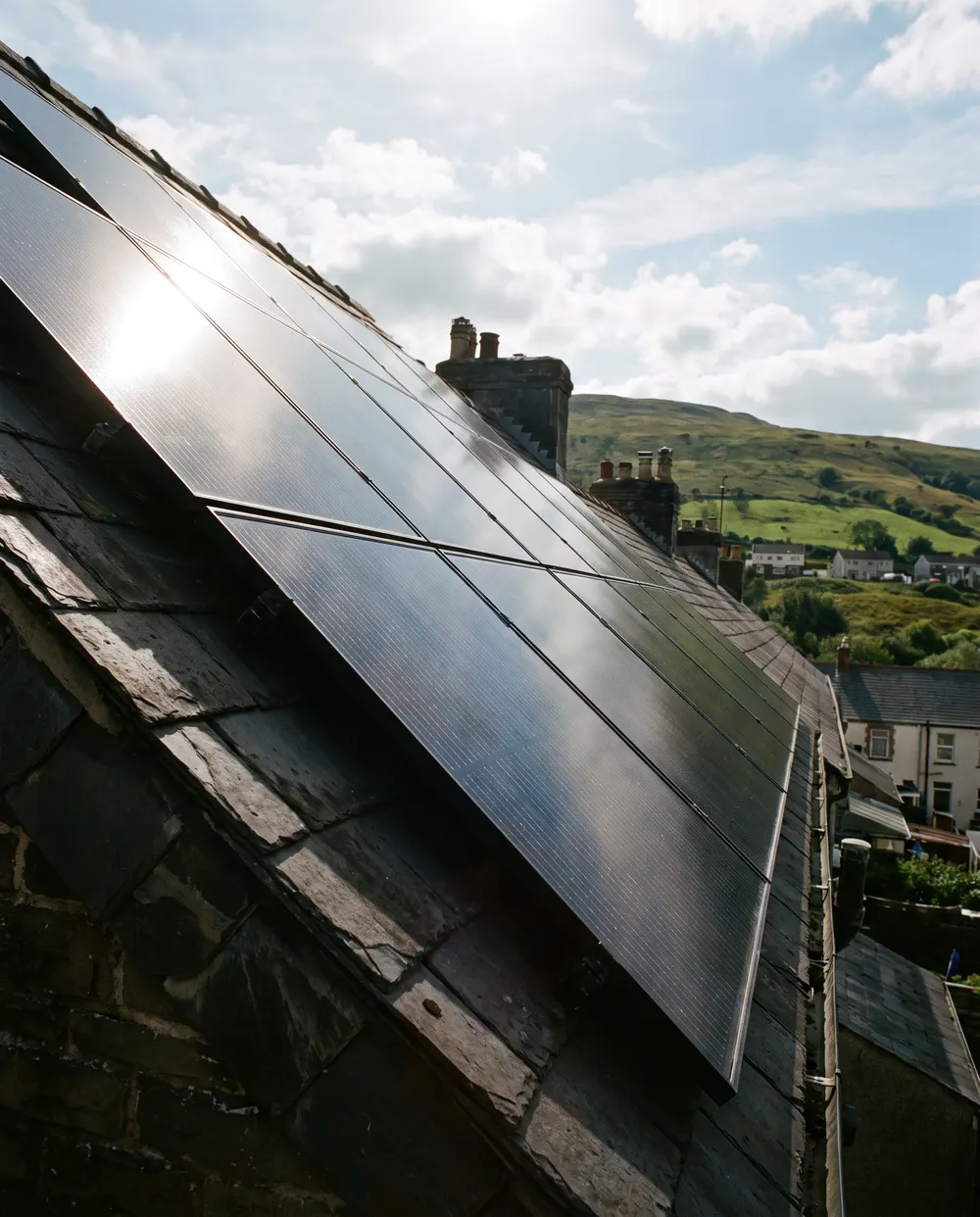
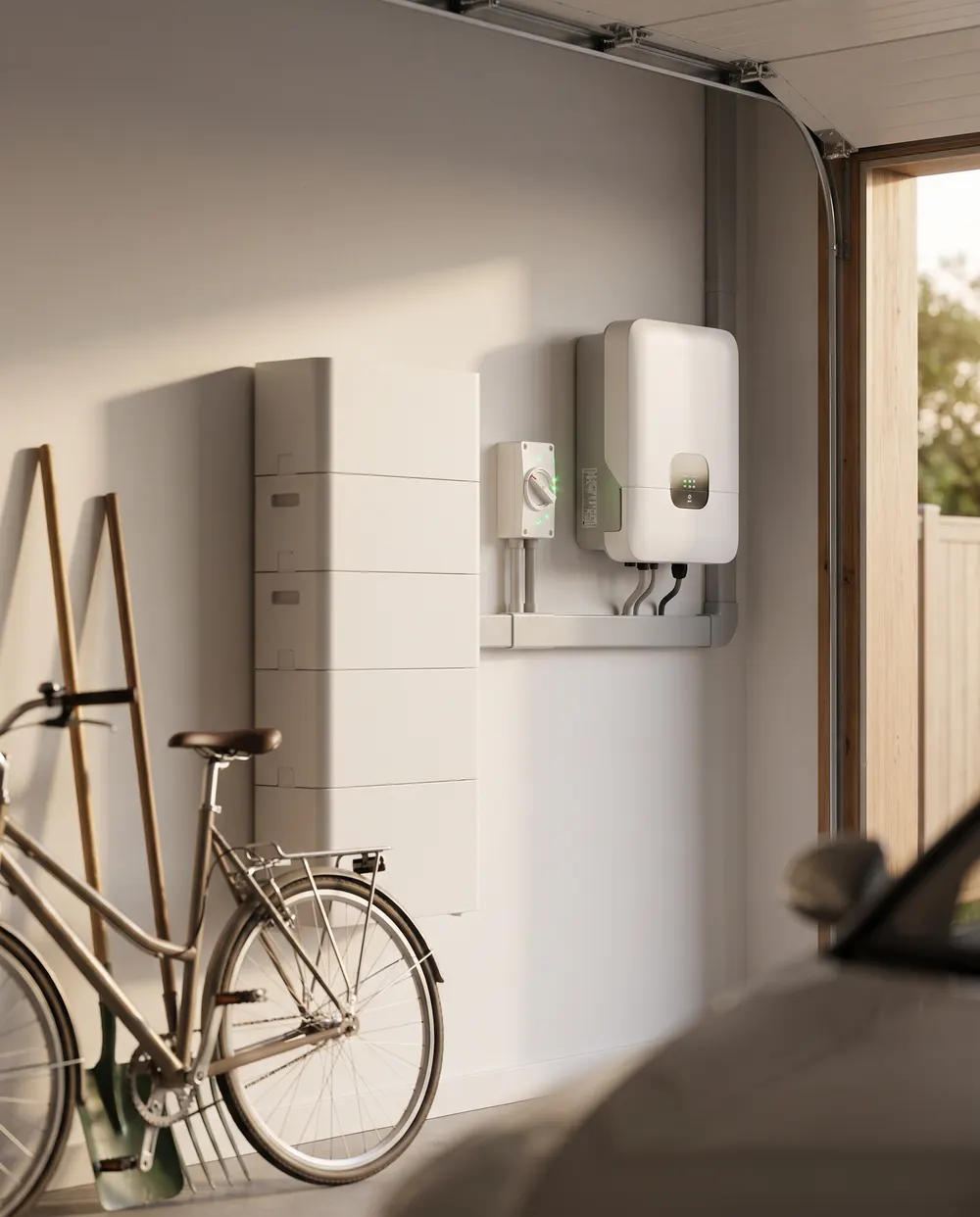
A charger does more with solar and a battery.
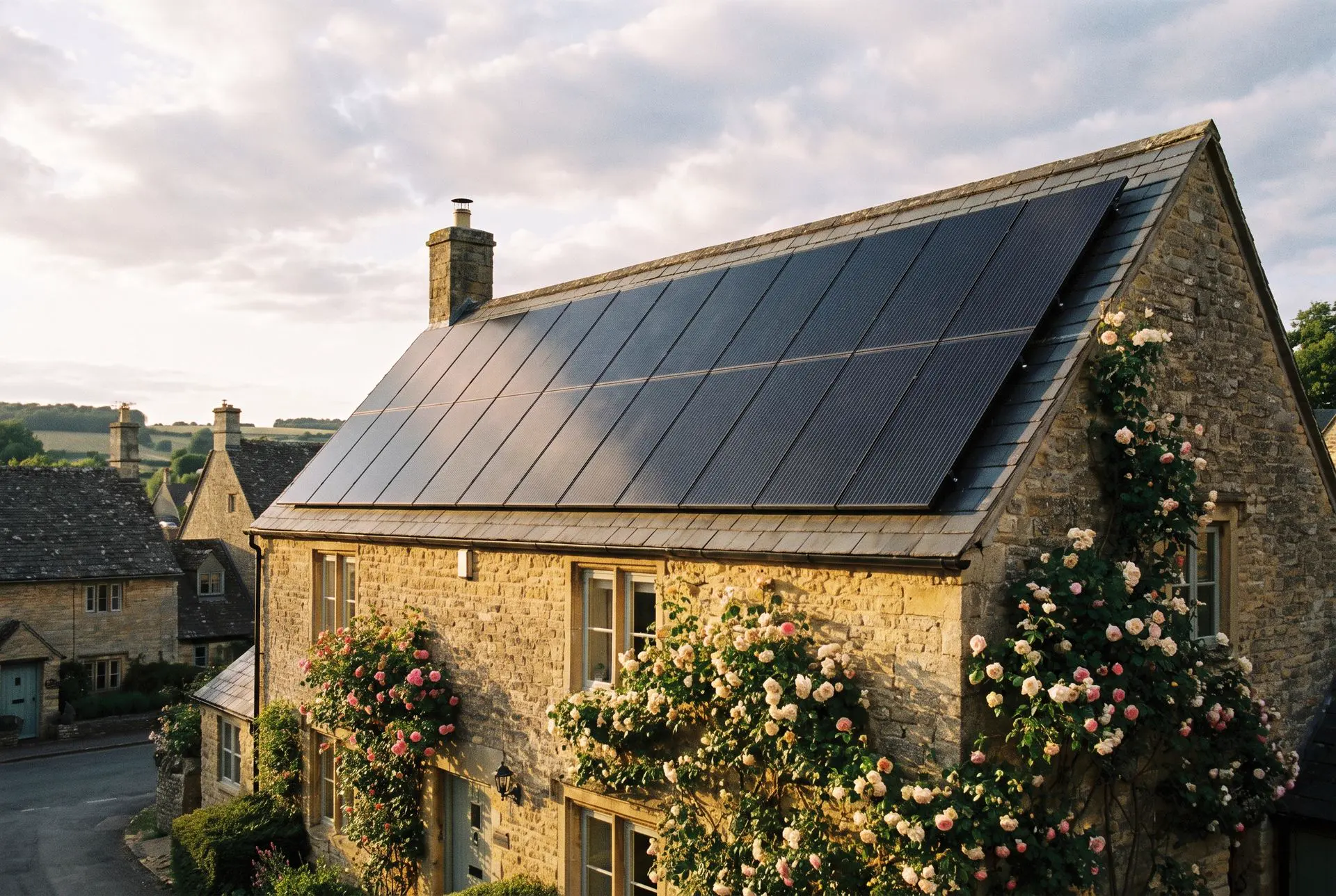
Night power is cheap. Power from your own roof is cheaper still, once the panels are in.

Grants for home EV chargers.
The government OZEV grant gives up to £500 toward a charger if you rent, or own and live in a flat, and have private off-street parking. Homes with on-street parking can get up to £500 toward a cross-pavement charging solution. There is no grant for a house with its own driveway. We check which applies to you at the survey.
How a charger install is done
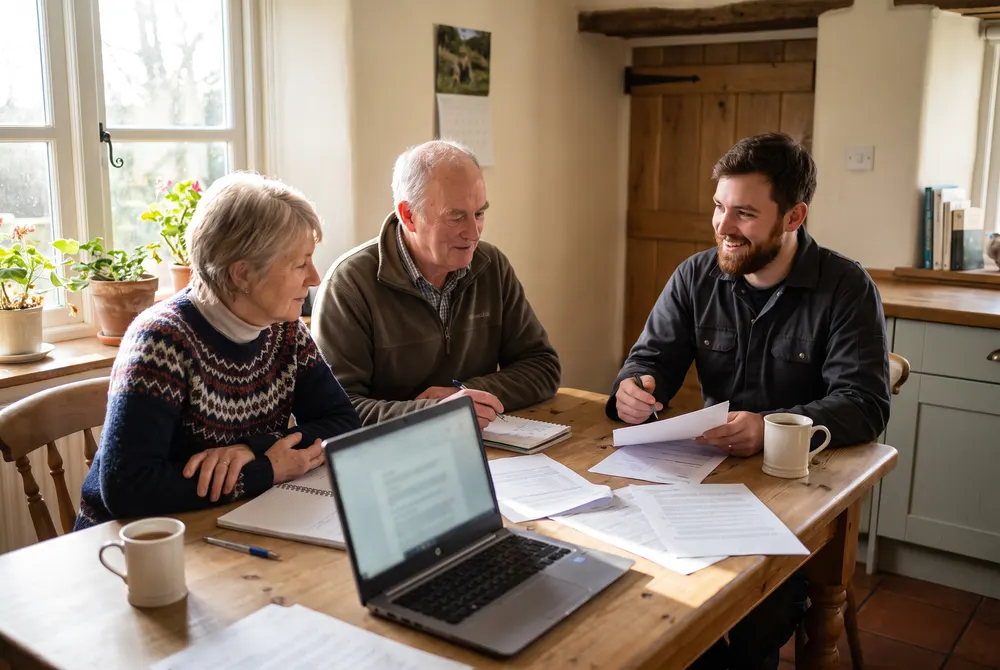
Most chargers go in within a day, and you can charge that evening.
Free consultation
Fill in the form or call us. We ask about your car, where you park and your tariff.
Site visit and quote
We find the best spot for the charger, check the fuse board and the cable route, then give you a written quote.
Fitting
A NAPIT registered electrician fits and wires in the charger, usually within a day.
Start charging
We test it, show you how it works, set up the app and give you the installation certificate.
EV charger questions we get asked
Something we have not covered? Call 01633 526713 or see every question we get asked.
Most home chargers run at up to 7kW (7.4kW at most on a normal home supply). That adds around 20 to 30 miles of range for every hour of charging, depending on the car, so a night on charge covers a normal day of driving with plenty to spare.
If you rent, or own and live in a flat, and have private off-street parking, the OZEV grant gives up to £500. Homes with on-street parking can get up to £500 toward a cross-pavement solution. There is no grant for a house with its own driveway. Both grants run until 31 March 2027.
Yes, with a solar-ready charger such as a myenergi zappi. It fills the car with the spare power your panels make instead of sending it to the grid.
We plan the cable route at the survey. Long runs and awkward meter positions are common, and we will show you the route before we start.
A tethered charger has the cable fixed on, so you just plug in. An untethered one has a socket and you use your own cable, which looks tidier on the wall. Which suits you depends on your car and where you park, and we talk it through at the survey.
Book your free charger survey. Most go in within a day.
Tell us your car and where you park, and we will call you back within one working day to arrange a visit.